
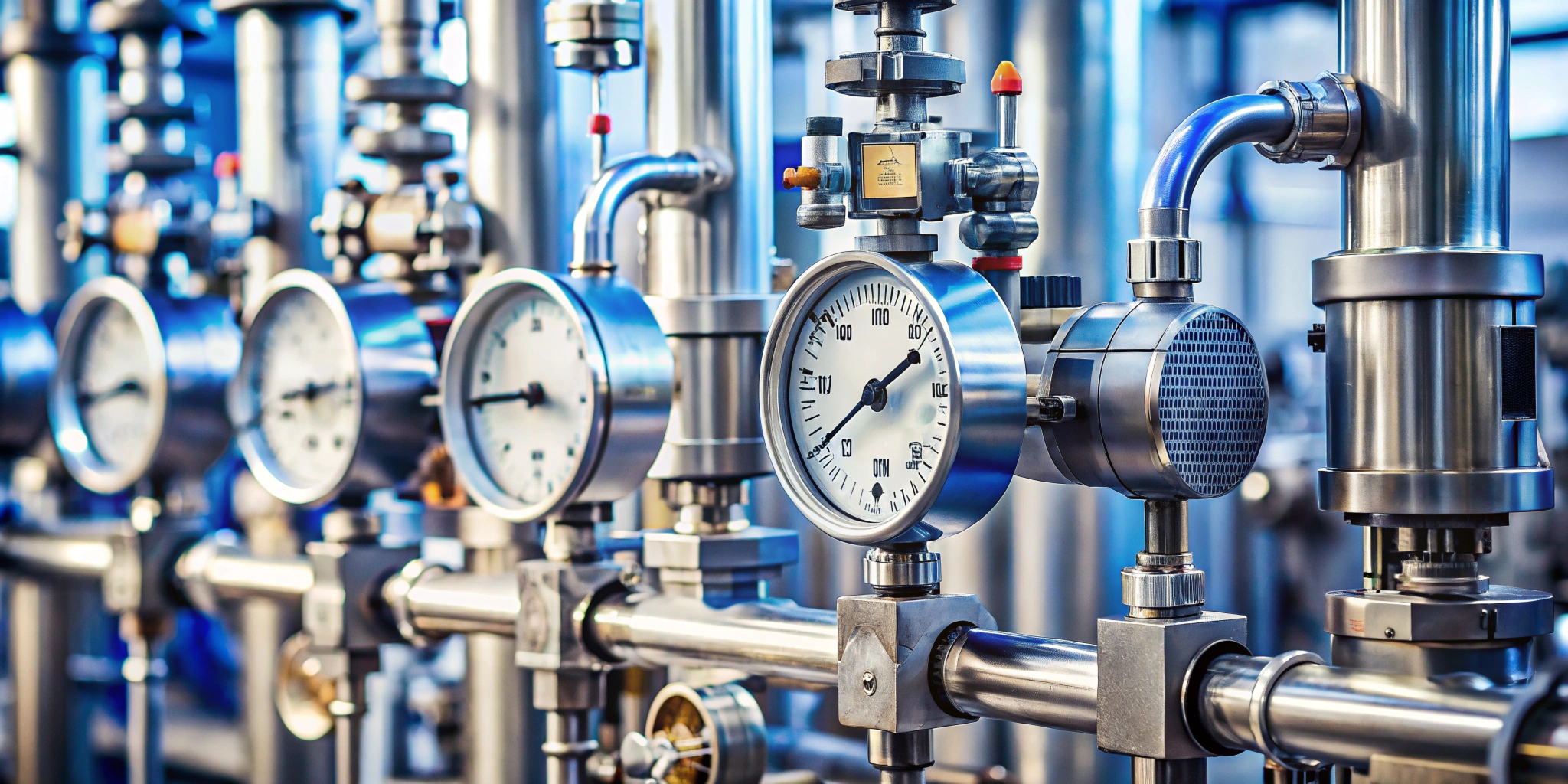
Industrial instrumentation installation is a critical process that ensures the effective functioning of measurement and control systems across various industries, including manufacturing, oil and gas, pharmaceuticals, and more. Proper installation is vital for accurate data collection, process optimization, and ensuring safety. In this blog, we’ll explore the significance of industrial instrumentation installation, key considerations, and best practices to ensure successful implementation.
Industrial instrumentation installation refers to the process of installing devices and systems used to measure and control physical parameters in industrial processes. This includes sensors, transmitters, controllers, actuators, and other associated equipment. The goal is to create a reliable and accurate system that provides real-time data and control over the process environment.
Accuracy of Measurements: Correct installation ensures that instruments provide accurate and reliable data. Poorly installed instruments can lead to erroneous readings, affecting decision-making and process control.
Operational Efficiency: Well-installed instrumentation helps optimize processes by ensuring that measurement and control systems function effectively. This leads to increased productivity and reduced downtime.
Safety: In industries dealing with hazardous materials, proper installation is crucial for safety. It minimizes the risk of leaks, spills, or accidents by ensuring that instruments operate as intended.
Compliance: Many industries are subject to strict regulations that require accurate monitoring and reporting. Proper installation of instrumentation helps ensure compliance with these regulations, avoiding legal and financial penalties.
Long-Term Reliability: Quality installation enhances the longevity of instruments and systems, reducing maintenance costs and increasing return on investment.
Before installation, conduct a thorough site assessment to understand the specific requirements and challenges of the environment. Consider factors such as temperature, humidity, pressure, and potential interference from other equipment.
Choose the right instruments based on the application requirements. Consider factors like measurement range, accuracy, compatibility with the process media, and environmental conditions.
Follow standardized installation procedures provided by manufacturers and industry best practices. Ensure that all equipment is properly mounted, calibrated, and connected.
Proper wiring is essential for reliable communication between instruments and control systems. Use appropriate cables and connectors, and follow wiring diagrams to ensure correct installation.
After installation, perform calibration and testing to verify that the instruments are functioning correctly. This step is crucial for ensuring accuracy and reliability.
Maintain detailed documentation of the installation process, including equipment specifications, wiring diagrams, calibration records, and maintenance schedules. This documentation is essential for future reference and troubleshooting.
Engage Qualified Personnel: Employ trained and experienced professionals for installation. Their expertise ensures that instruments are installed correctly and safely.
Use Quality Equipment: Invest in high-quality instrumentation and components. Reliability and performance are often linked to the quality of the equipment used.
Implement Safety Protocols: Adhere to safety protocols during installation to protect personnel and equipment. This includes using appropriate personal protective equipment (PPE) and following safety guidelines.
Conduct Regular Training: Provide ongoing training for personnel involved in installation and maintenance. Keeping staff updated on best practices and new technologies can enhance overall performance.
Plan for Future Needs: Consider future expansion or changes in processes during installation. Designing systems with flexibility in mind can save time and resources down the line.
Industrial instrumentation installation is a foundational aspect of successful industrial operations. By prioritizing accurate installation practices, organizations can ensure the reliability and effectiveness of their measurement and control systems. This not only leads to improved operational efficiency and safety but also contributes to long-term sustainability and profitability. As industries continue to evolve, the importance of professional instrumentation installation will remain paramount in driving success.

Plot No. 47/372, Maharshinagar, Opp Aruna Asafali Garden,
Pune, Maharashtra-411037

91-9225507424

Monday-Friday (9:00 AM - 5:00 PM)
Saturday and Sunday: Off