
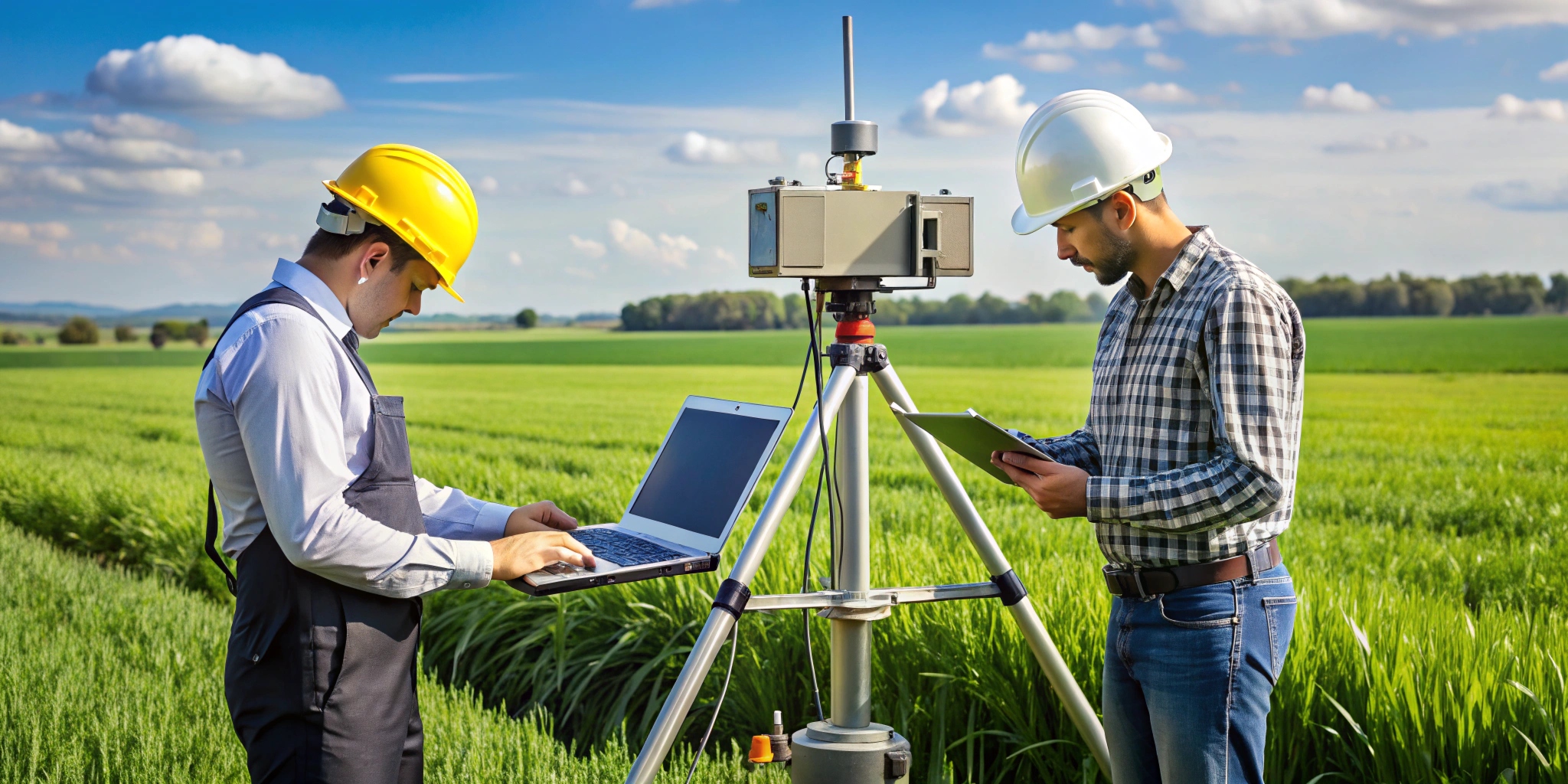
Field instrumentation activities are crucial in various industries, including oil and gas, pharmaceuticals, water treatment, and manufacturing. These activities involve the use of instruments and devices that monitor, control, and collect data from physical processes. This blog explores the significance, types, and best practices of field instrumentation activities.
Field instrumentation refers to the devices and systems used to measure physical quantities such as temperature, pressure, flow, and level in real-time. These instruments are typically installed in the field, close to the process they are monitoring, providing accurate data for decision-making and process optimization.
Data Collection and Monitoring: Field instruments provide critical data that help in understanding process dynamics. This data is essential for performance evaluation and decision-making.
Process Control: Instruments help maintain process parameters within desired limits, ensuring product quality and safety. Automated control systems rely heavily on accurate instrumentation.
Safety and Compliance: Field instrumentation plays a vital role in safety management by monitoring hazardous conditions and ensuring compliance with industry regulations.
Predictive Maintenance: Continuous monitoring allows for the identification of potential failures before they occur, reducing downtime and maintenance costs.
Pressure transmitters and gauges measure the pressure of gases and liquids in pipelines and vessels. They are essential for maintaining optimal operating conditions.
Thermocouples, RTDs (Resistance Temperature Detectors), and infrared sensors are used to monitor temperature in various processes, ensuring that they operate within safe limits.
Flow meters, such as ultrasonic, magnetic, and differential pressure flow meters, measure the flow rate of liquids and gases, allowing for process optimization.
Level transmitters and switches are used to monitor the level of liquids in tanks and vessels, preventing overflows and ensuring proper inventory management.
These instruments measure the chemical composition of liquids and gases, helping in quality control and compliance with environmental regulations.
Proper Installation: Ensure instruments are installed according to manufacturer specifications and industry standards. This includes selecting appropriate locations for accurate readings.
Regular Calibration: Instruments should be calibrated regularly to maintain accuracy. A calibration schedule should be established and adhered to.
Routine Maintenance: Implement a maintenance program that includes routine checks and servicing of field instruments to prolong their lifespan and ensure reliability.
Data Management: Use data management systems to analyze and interpret the data collected from field instruments. This helps in making informed decisions based on real-time data.
Training: Ensure that personnel are adequately trained in operating and maintaining field instrumentation. Knowledge of equipment functionality is critical for accurate data interpretation.
Field instrumentation activities are integral to modern industrial processes, providing essential data for monitoring and control. By implementing best practices and leveraging advanced technologies, organizations can enhance their operational efficiency, safety, and compliance. As industries continue to evolve, the role of field instrumentation will only become more significant, driving innovation and ensuring sustainable practices.

Plot No. 47/372, Maharshinagar, Opp Aruna Asafali Garden,
Pune, Maharashtra-411037

91-9225507424

Monday-Friday (9:00 AM - 5:00 PM)
Saturday and Sunday: Off