In today’s fast-paced industrial landscape, control instrumentation services play a pivotal role in ensuring operational efficiency, safety, and compliance across various sectors. From manufacturing to oil and gas, these services are essential for monitoring and controlling processes that require precise measurements and automated controls. This blog will explore the significance of control instrumentation services, their components, and the benefits they bring to industries.
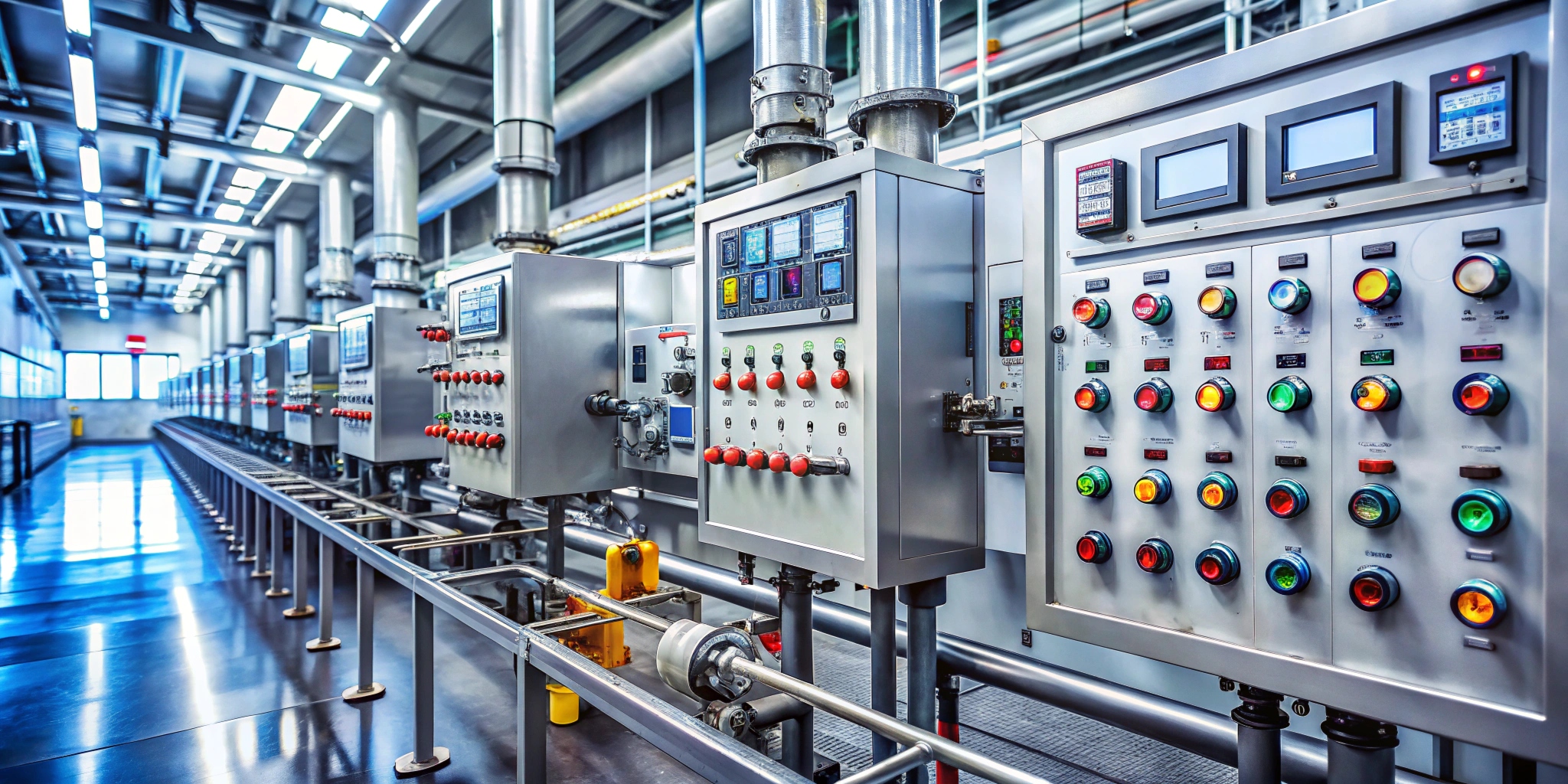
Control instrumentation involves the use of devices and systems that monitor and control physical processes in industrial applications. These instruments are designed to gather data, make decisions based on pre-set parameters, and take corrective actions automatically or provide operators with real-time insights for manual intervention.
Sensors: These devices detect physical quantities such as temperature, pressure, flow, and level. Sensors convert these measurements into signals that can be interpreted and used for control.
Transmitters: Transmitters take the signals from sensors and convert them into standardized outputs (such as 4-20 mA or digital signals) that can be easily processed by control systems.
Controllers: Controllers are responsible for making decisions based on the input signals received from transmitters. They compare the measured values against set points and send commands to final control elements.
Final Control Elements: These are devices that execute the control action, such as valves, pumps, and actuators. They adjust the process conditions based on the controller’s output.
Human-Machine Interface (HMI): HMIs provide operators with a graphical interface to monitor and control the process. They display real-time data, alerts, and allow for manual adjustments.
Control instrumentation services optimize processes by providing accurate data and real-time control. This leads to improved operational efficiency, reduced waste, and maximized productivity.
In industries that deal with hazardous materials or complex processes, control instrumentation services are critical for maintaining safety. They monitor for abnormal conditions and can trigger alarms or shutdowns to prevent accidents.
Many industries are subject to strict regulatory requirements. Control instrumentation services ensure that processes operate within legal limits, helping organizations remain compliant and avoid costly fines.
Control instrumentation services facilitate the collection of vast amounts of data, which can be analyzed for insights into process performance, maintenance needs, and optimization opportunities. This data-driven approach allows for informed decision-making.
By continuously monitoring equipment performance, control instrumentation services enable predictive maintenance strategies. This approach helps identify potential failures before they occur, minimizing downtime and reducing maintenance costs.
Expertise and Experience: Professional service providers have the expertise and experience necessary to design, implement, and maintain complex control systems, ensuring optimal performance.
Customized Solutions: Control instrumentation services can be tailored to meet the specific needs of different industries and processes, providing customized solutions that enhance effectiveness.
Technological Advancements: Service providers stay updated with the latest technological advancements, ensuring that clients benefit from state-of-the-art solutions that improve efficiency and reliability.
Comprehensive Support: Many service providers offer comprehensive support, including installation, calibration, maintenance, and troubleshooting, ensuring that control systems operate smoothly.
Cost Savings: By optimizing processes and reducing downtime, control instrumentation services can lead to significant cost savings in the long run.
Control instrumentation services are integral to the success of modern industries, providing the tools necessary for efficient, safe, and compliant operations. By leveraging advanced instrumentation technologies and professional expertise, organizations can optimize their processes, reduce risks, and drive sustainable growth. As industries continue to evolve, the demand for reliable and efficient control instrumentation services will only increase, underscoring their importance in today’s industrial landscape.

Plot No. 47/372, Maharshinagar, Opp Aruna Asafali Garden,
Pune, Maharashtra-411037

91-9225507424

Monday-Friday (9:00 AM - 5:00 PM)
Saturday and Sunday: Off